


May 29, 2026


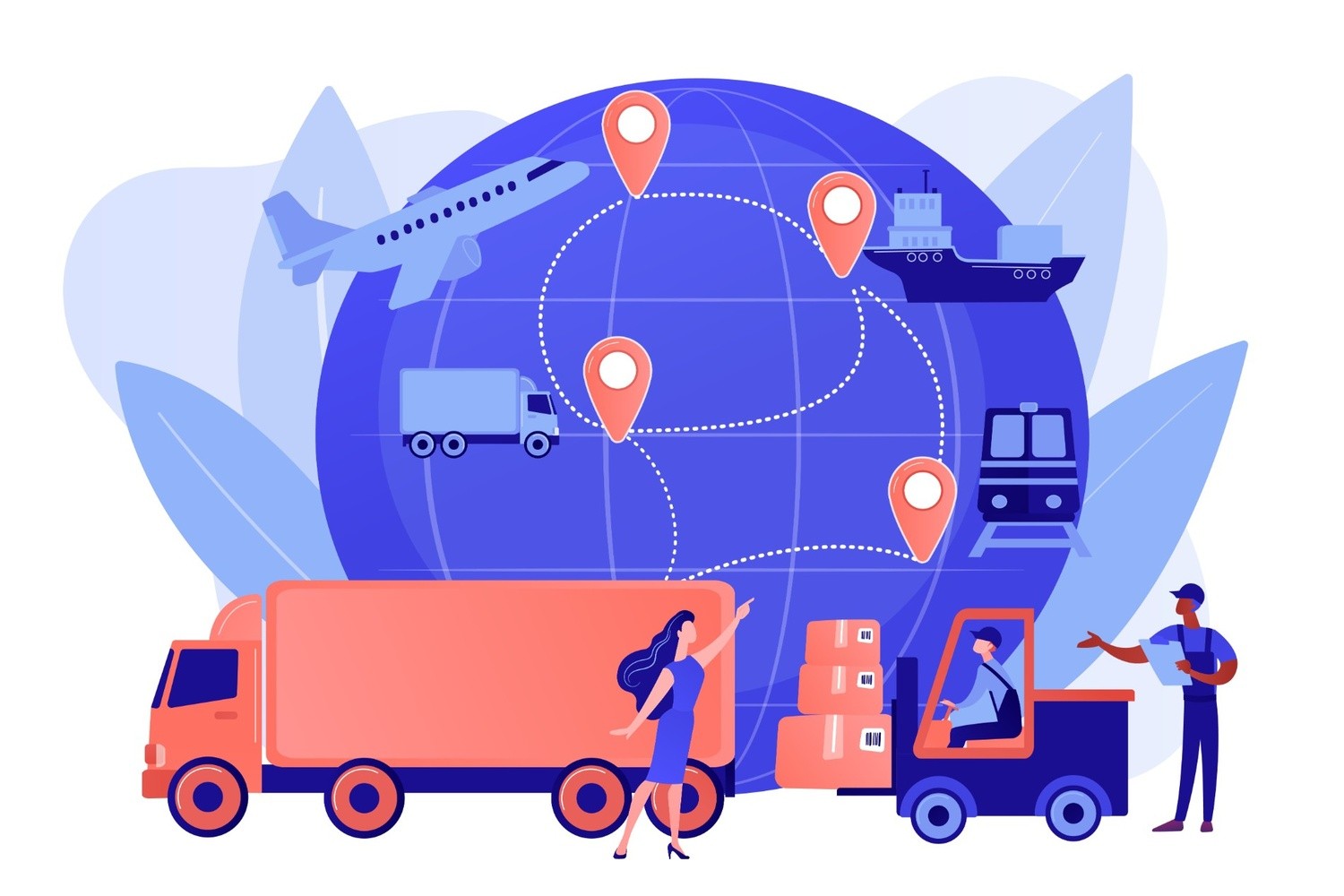
To ship goods for business into Indonesia, importers will need more than a carrier booking or freight quote. This process involves choosing the right shipping method, preparing accurate import documents, understanding customs clearance, and working with a reliable logistics partner to help prevent delays, reduce unexpected costs, and mitigate compliance risks.
Businesses, especially in the manufacturing, trading, or retail markets, can find Indonesia a promising market. A huge market with a high population, a growing economy, and vast resources often attracts foreign investments. However, the import process requires careful planning because a missing document, incorrect HS code, or unclear shipment value can cause problems in the Customs process.
Shipping goods to Indonesia starts with understanding the product, shipment volume, country of origin, and business identity. Importing raw materials for manufacturing is very different from importing finished products for resale, and each will have different license requirements, documentation, and tax implications.
Here is a practical import flow that you can follow:
The key is to avoid treating importing as a simple delivery activity. For businesses, it is a compliance-driven logistics process.
Now, let us break down the required documents when importing goods into Indonesia.
All product descriptions and values must match across all the documents submitted.
Choosing between air freight and sea freight depends on how fast the timeline, volume of the cargo, and shipping cost.
Air freight is suitable for urgent, high-value, lightweight, or time-sensitive goods. It is often used for samples, electronics, spare parts, fashion items, documents, and products needed for immediate business operations.
The main advantages are:
However, air freight is usually more expensive than sea freight in terms of cargo volume since the you are charged based on actual weight or volumetric weight, whichever is higher and distance from origin to destination.
When Choosing Sea Freight As An Options
Sea freight is the most used transportation mode for global logistics. It’s reliable, cost efficient and very versatile in handling multiple types of commodities. It is commonly used for raw materials, machinery, furniture, retail stock, industrial goods, and containerized cargo.
2 alternate methods for using sea freight:
Sea freight is generally more economical, but it requires longer lead time and better planning. Importers must also consider port handling, container availability, demurrage, detention, and local trucking.
A good rule of thumb: use air freight when speed and urgency matter more than cost, and use sea freight when volume and cost efficiency are the priority.
Customs clearance is the process of declaring imported goods to Indonesian Customs, verifying documentation, assessing duties and taxes, and obtaining release approval.
The basic process includes:
Delays can happen when documents are incomplete, product descriptions are too vague, HS codes are incorrect, permits are missing, or shipment values appear inconsistent. This is why businesses should always check for compliance before the cargo ships from the origin country.
A freight forwarder helps coordinate the movement of goods from origin to destination. For business imports, the right forwarder is not only a shipping vendor but also a logistics partner that understands documentation, customs procedures, cargo handling, and delivery coordination.
When choosing a freight forwarder in Indonesia, consider:
For businesses that need a more structured import process, working with an experienced logistics provider such as UNIAIR CARGO can help simplify coordination across freight, customs clearance, and final delivery.
Read more:
To ship goods for business to Indonesia successfully, importers need to plan beyond freight rates. The real priorities are accurate documentation, correct HS code classification, suitable shipping method, customs compliance, and reliable local handling.
Before booking a shipment, review your product requirements, prepare complete documents, calculate landed cost, and choose a freight forwarder that understands Indonesia’s import environment. For businesses that want a more reliable import workflow, UNIAIR CARGO can support end-to-end shipping coordination with a professional and compliance-aware approach.
Contact the Uniair Cargo team
today for a FREE consultation and export cost estimate!
Also, follow us on Instagram at @uniaircargo
for logistics tips, up-to-date information, and export inspiration!